Your money buys
less every year.
Prices are rising. Pack sizes are shrinking. We track the data behind what's really happening to your money.
Food & drink
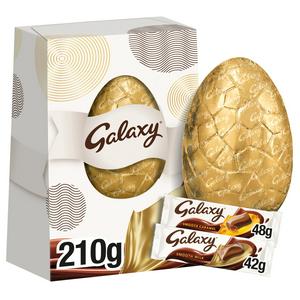
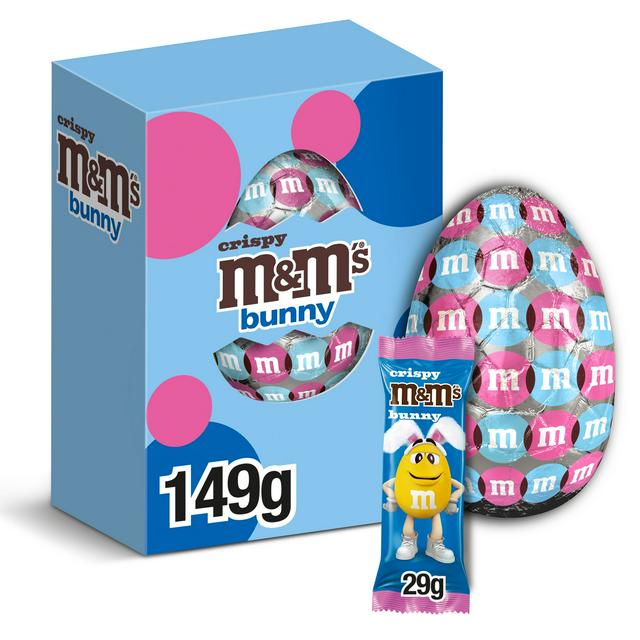
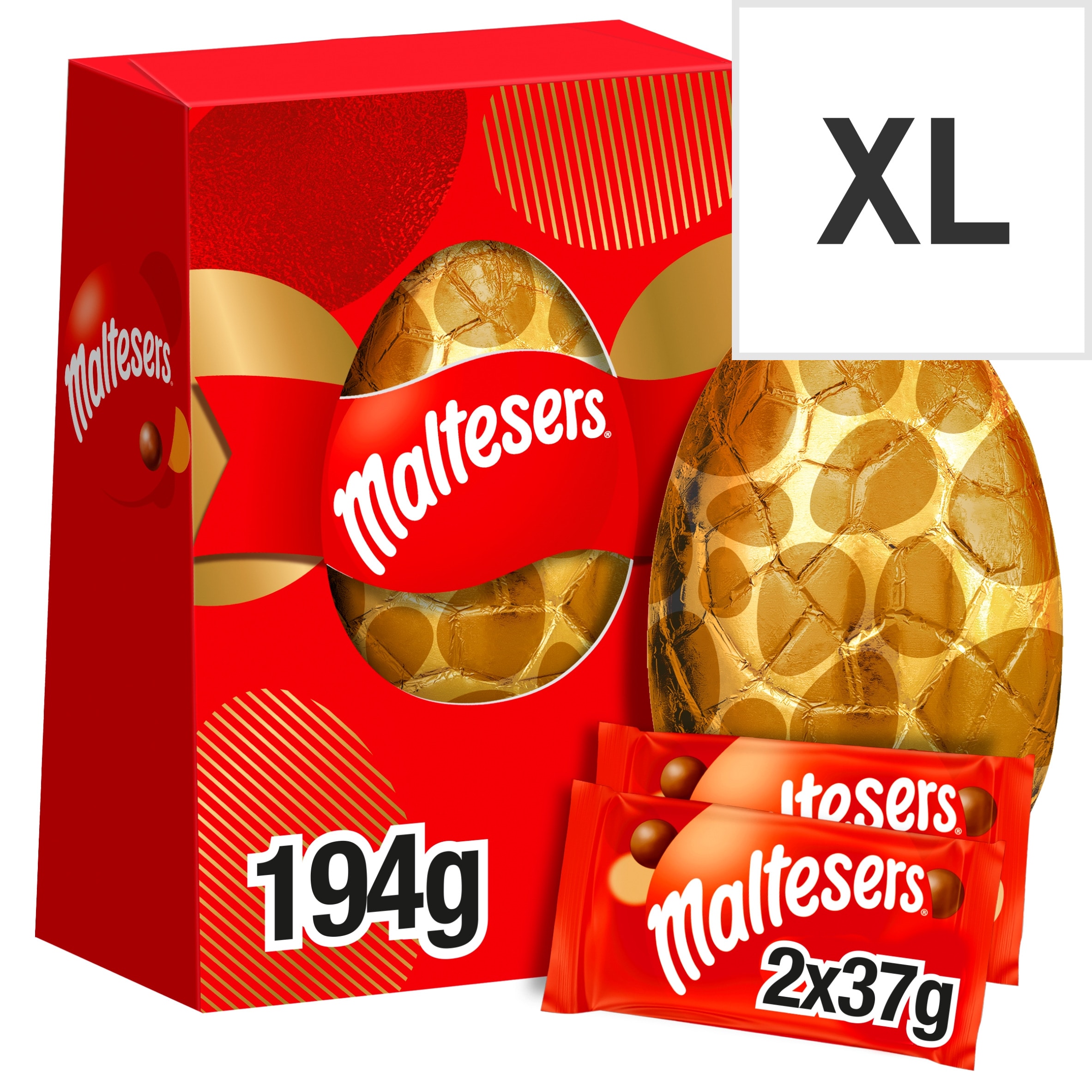
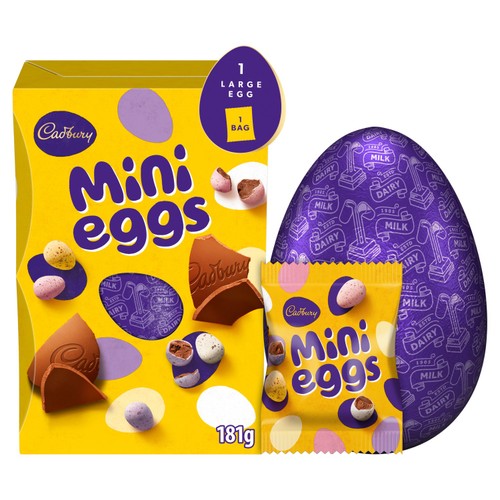
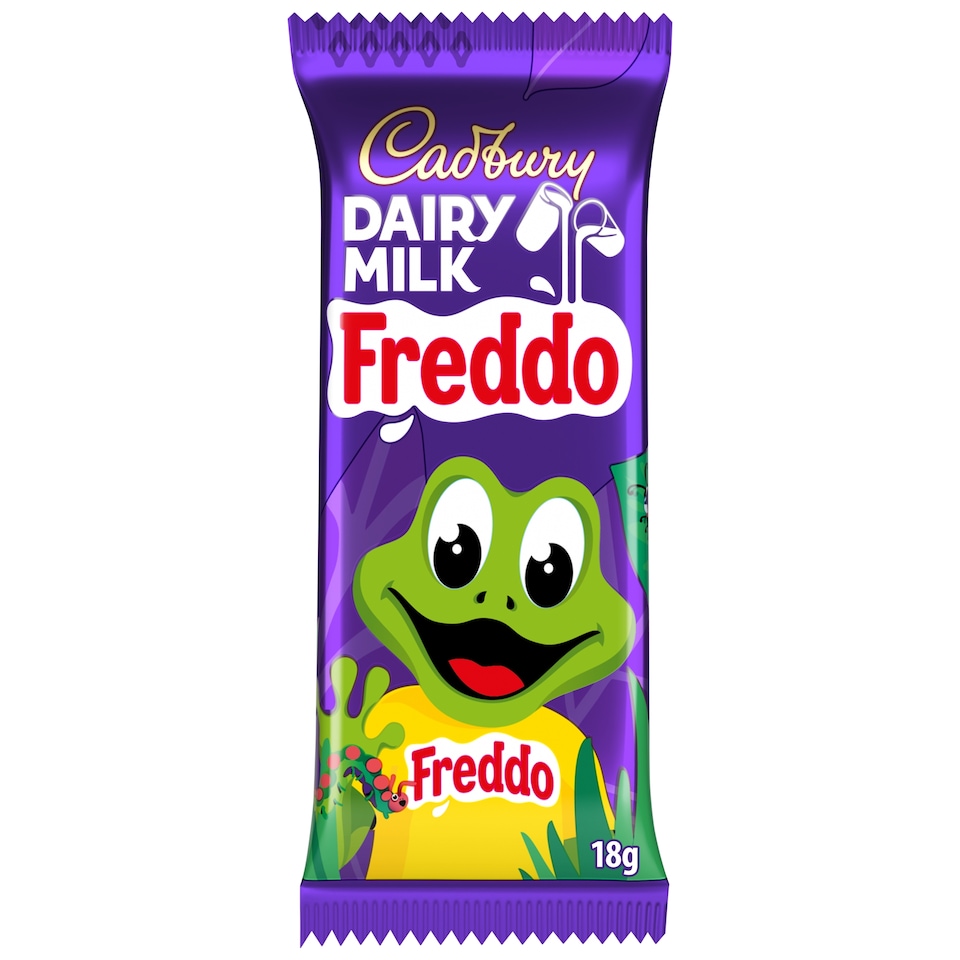
Same product. Higher price. Less of it. Here's the data across the UK's most recognisable products.

Housing
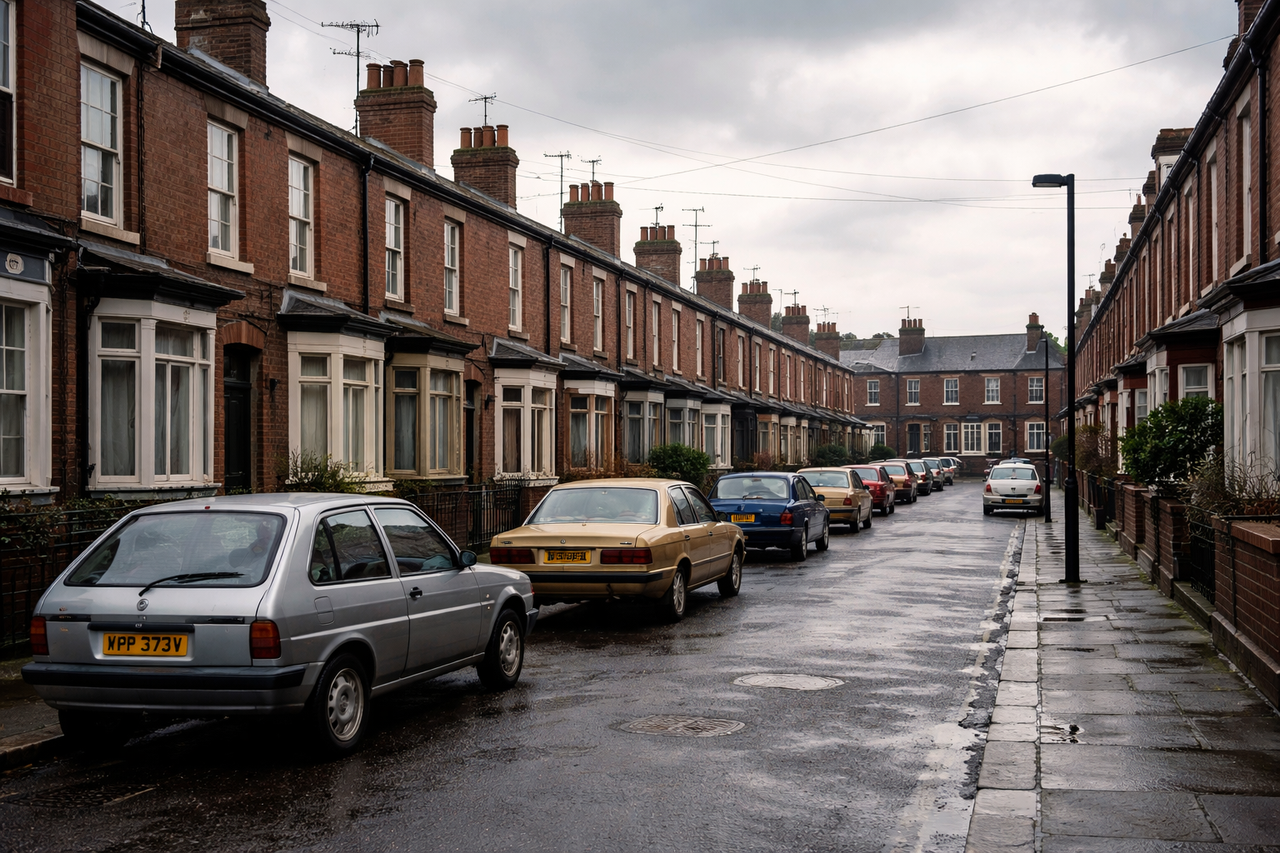
The UK property market is often called a success story. Look at it differently and something else becomes clear.

Inflation calculator
Enter an amount and the year you saved it. See what it's really worth in purchasing power terms today.
Based on average UK CPI inflation of ~2.7% per year. Approximate and for illustration only.
What does this actually mean?
Even if your savings account balance has grown, inflation quietly erodes what that money can buy. A 2.7% annual inflation rate means £10,000 today will only buy what £7,300 buys now — in just 10 years' time. The bank never sends you a letter about this.
Why is this happening?
Rising prices and shrinking pack sizes aren't just bad luck or corporate greed. There are structural forces at work — and most people are never told about them.
More money, less value
When governments create more money, each existing pound buys a little less. More money chasing the same goods pushes prices up.
Shrinkflation
Manufacturers reduce pack sizes instead of raising prices visibly. You pay more per gram — but the number on the label stays the same.
It compounds silently
2% annual inflation halves your purchasing power in 35 years. It's gradual enough that most people don't notice until they look back.
Savings don't keep up
Interest rates on savings accounts have historically lagged behind real inflation. Keeping cash in the bank often means losing real wealth quietly.