UK Shrinkflation Tracker — The Bitcoin Collective
UK Shrinkflation Tracker · Updated April 2026

Your money buys
less every year.

Prices are rising. Pack sizes are shrinking. We track the data behind what's really happening to your money.

+275%
Mars Bar price since 2000
−95%
Pound's value since 1970
£301k
Avg UK home 2026

Food & drink

Same product. Higher price. Less of it. Here's the data across the UK's most recognisable products.

Price increase per 100g
Galaxy Egg
+44% · 2025–26
M&M's Egg
+40% · 2025–26
Maltesers Egg
+39% · 2023–24
Mini Eggs
+34% · 2025–26
Freddo
+200% since 2000
Mars Bar
+275% since 2000
Galaxy
Galaxy · Asda
Galaxy Milk Chocolate Easter Egg
2025£4.98 252g
2026£5.97 210g
+44% per 100g
Source: Asda, Which?
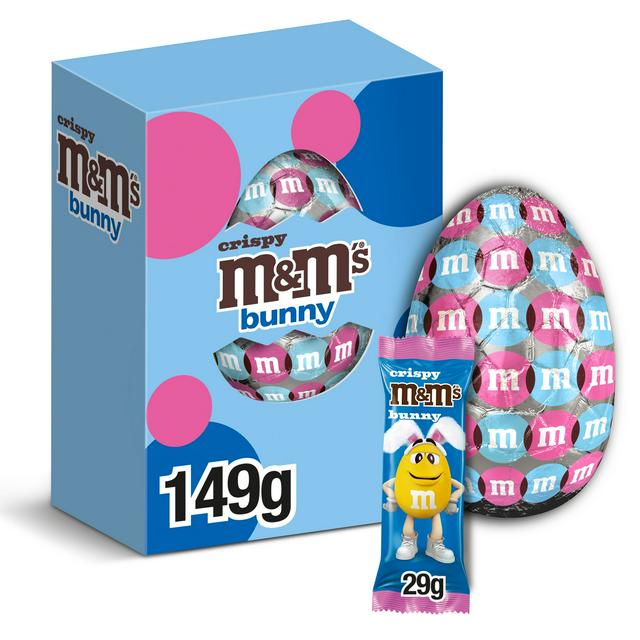
M&M's
M&M's · Asda
M&M's Crispy Easter Egg
2025£3.48 192g
2026£3.97 156g
+40% per 100g
Source: Asda, Which?
Maltesers
Maltesers · Tesco
Maltesers Easter Egg
2023£6.00 231g
2024£7.00 194g
+39% per 100g
Source: Tesco
Mini Eggs
Cadbury · Morrisons
Cadbury Mini Eggs Easter Box
2025£4.00 193.5g
2026£5.00 181g
+34% per 100g
Source: Morrisons, Which?
Mars Bar
Mars Bar
Mars Chocolate Bar
200028p 62.5g
2026£1.05 51g
+275% price · −18% size
Source: Various retailers
Freddo
Freddo · Mondelez
Freddo Chocolate Bar
200010p 18g
202630p 12.5g
+200% price · −31% size
Source: Various retailers
Data last updated April 2026. Sources: Asda, Tesco, Morrisons, Which? Product images via Open Food Facts (CC BY-SA).

Housing

The UK property market is often called a success story. Look at it differently and something else becomes clear.

£19,273
Avg UK home 1980
£301,151
Avg UK home 2026
+1,462%
46-year price rise
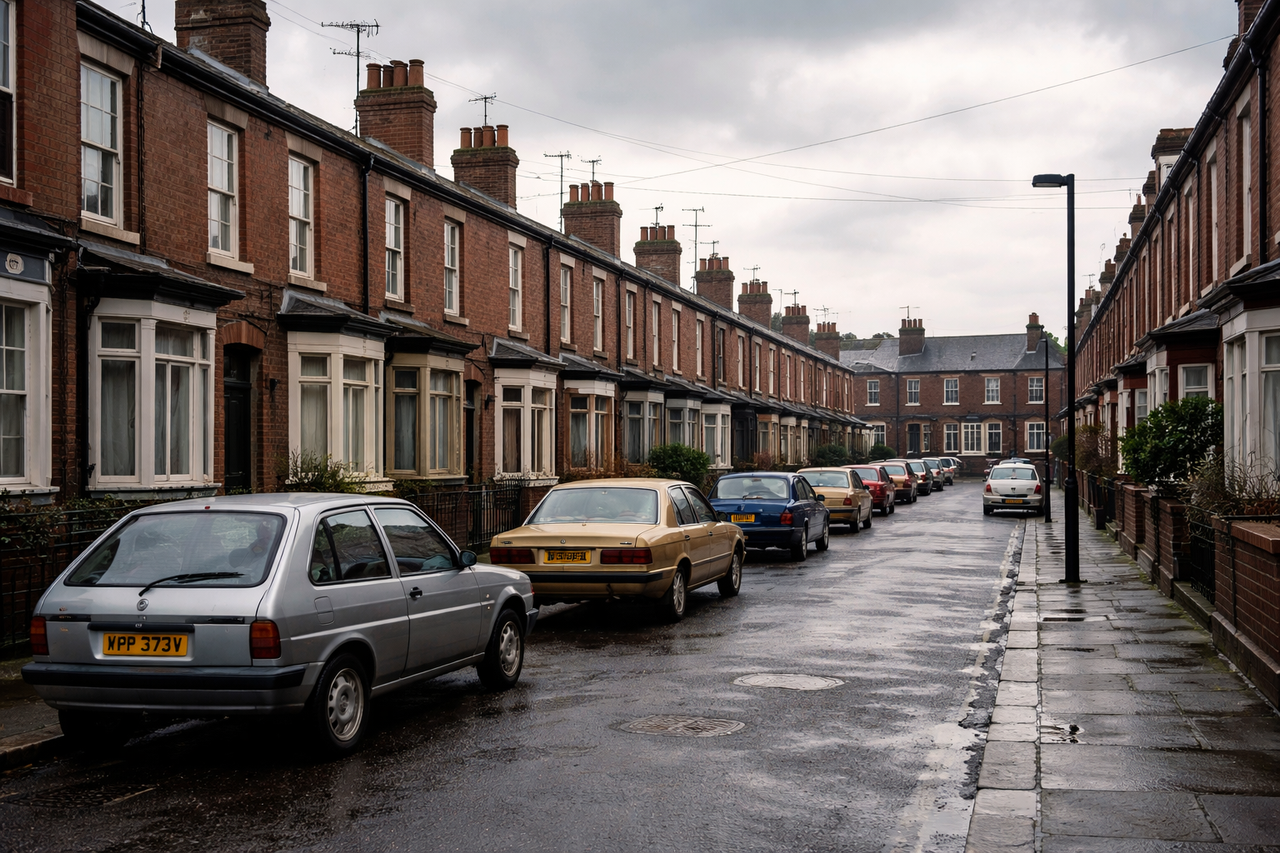
UK terraced houses
Average UK home · 1980 · £19,273
Modern UK housing
Average UK home · 2026 · £301,151
Average UK house price over time
1980
£19k
1990
£60k
2000
£82k
2010
£167k
2020
£230k
2026
£301,151
House prices
Average UK home: 1980 vs 2026
1980£19,273
2026£301,151
+1,462% in 46 years
Source: Nationwide, Land Registry
First-time buyers
10% deposit required
1980£1,927
2026£30,115
The deposit alone is a career
Source: Nationwide, Land Registry
Salary multiples
Years of average salary to buy a home
1980~3–4x annual salary
2026~8–9x annual salary
More than doubled in a generation
Source: ONS, Nationwide
Sources: Nationwide House Price Index, Land Registry, ONS. Images via Wikimedia Commons (CC BY-SA).

Inflation calculator

Enter an amount and the year you saved it. See what it's really worth in purchasing power terms today.

Amount saved
£10,000
Year saved
2000
Real value in 2026
£6,800
Purchasing power lost
−£3,200

Based on average UK CPI inflation of ~2.7% per year. Approximate and for illustration only.

What does this actually mean?

Even if your savings account balance has grown, inflation quietly erodes what that money can buy. A 2.7% annual inflation rate means £10,000 today will only buy what £7,300 buys now — in just 10 years' time. The bank never sends you a letter about this.

Based on ONS CPI data. For illustration purposes only.

Why is this happening?

Rising prices and shrinking pack sizes aren't just bad luck or corporate greed. There are structural forces at work — and most people are never told about them.

More money, less value

When governments create more money, each existing pound buys a little less. More money chasing the same goods pushes prices up.

Shrinkflation

Manufacturers reduce pack sizes instead of raising prices visibly. You pay more per gram — but the number on the label stays the same.

It compounds silently

2% annual inflation halves your purchasing power in 35 years. It's gradual enough that most people don't notice until they look back.

Savings don't keep up

Interest rates on savings accounts have historically lagged behind real inflation. Keeping cash in the bank often means losing real wealth quietly.

How we got here
1971
UK leaves the gold standard
The pound is no longer backed by gold. Money can now be created freely by governments and central banks.
1980s
Life was cheaper — in nominal terms
Average UK home: £19,273. A Freddo: 10p. A Mars Bar: 28p. The seeds of inflation were already planted.
2008
Financial crisis — money printing begins
The Bank of England launches quantitative easing, creating hundreds of billions of pounds to stabilise the financial system.
2020
Covid-19 — another £450 billion created
Government borrowing surges. More money enters circulation. The long-term consequences begin to materialise.
2022–23
Inflation hits 11.1% — a 40-year high
Energy, food, and mortgage costs surge simultaneously. Most people feel it for the first time in their lifetime.
2026
Where we are now
Average UK home: £301,151. A Freddo: 30p. A Mars Bar: £1.05. The pound has lost 95% of its 1970 purchasing power.
Curious about what's really going on?

Start with the basics — what actually is Bitcoin?

A plain-English guide. No jargon. No hype. No pressure.
Read the guide
Sources: ONS, Bank of England, Nationwide, Land Registry, Asda, Tesco, Morrisons, Which?